
Distinguish logo, visual identity and branding
The logo is the name or symbol that identifies the brand. Visual identity combines it with colours, typography and guidelines for presenting the business consistently. Branding also covers how the brand presents itself and is perceived. An identity design proposal should therefore state whether it starts from an agreed name and direction or needs a separate strategic brief. Our visual identity service in Madrid includes projects and the scope of each option.
Review the system in real applications
Check how the identity works at small sizes, on light and dark backgrounds, on screen and in print. A logo presentation alone does not demonstrate all those uses. At Clínica Vigar, symbol, typography and colour also extend to the clinic's graphic materials. This lets you assess continuity between pieces without attributing unmeasured commercial results to the design.

Choose applications your business will use
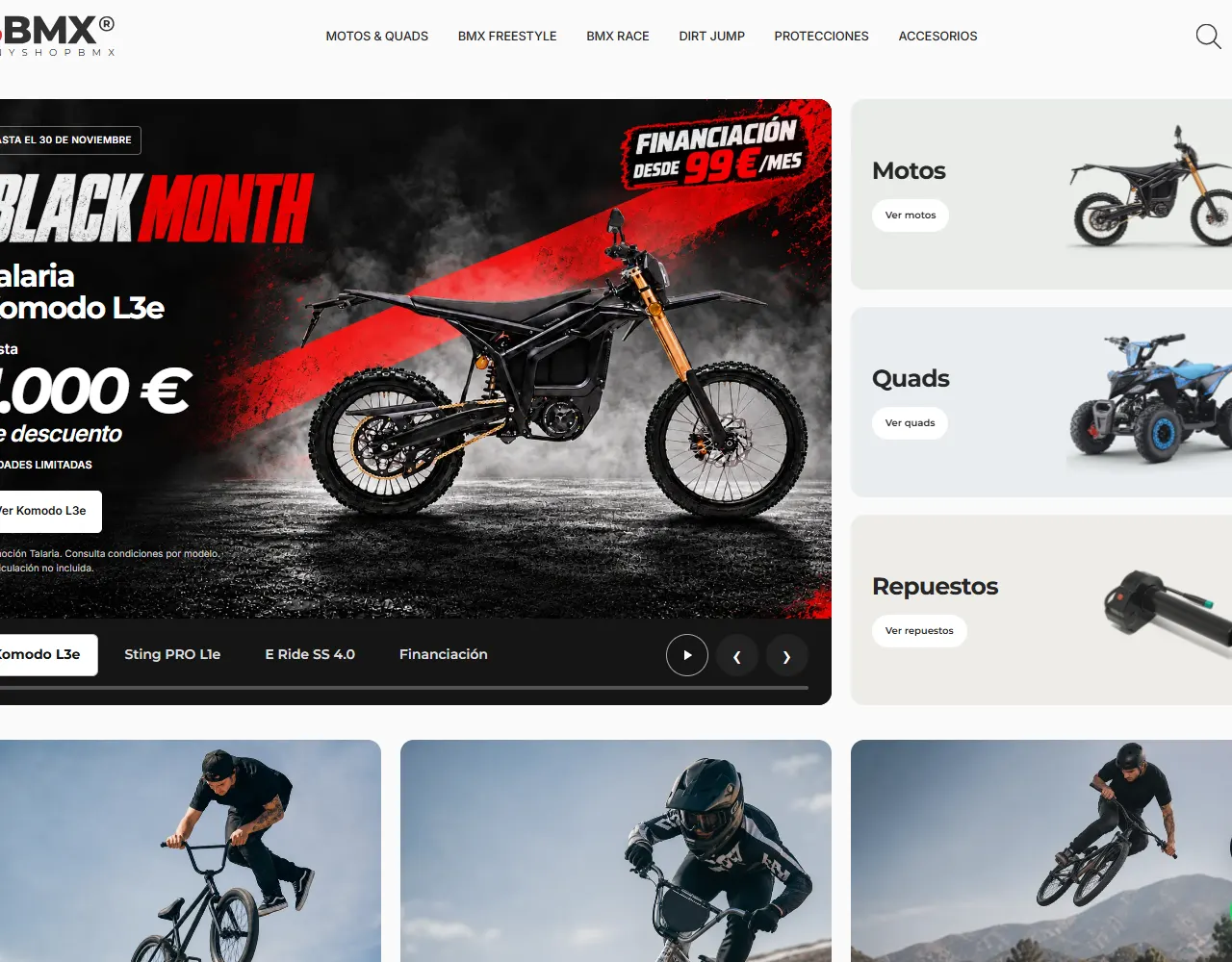
List the materials you need: a sales proposal, presentation, website, stationery or social posts. Specify their formats and who will use them. Bunny Shop BMX shows the relationship between logo, colour and brand applications at different stages of the shop. The brief should provide useful materials for your activity; a mockup does not imply that manufacture or printing is included.
Specify files and usage guidelines
Ask the proposal to list logo versions and final formats. Vector files allow resizing; screen versions and print-ready files should suit their intended use. A guide records colours, typography and application principles within the agreed scope. Clarify which files you can edit and which licences you need. A font being named in a guide does not mean you hold its licence.
Compare revisions, timing and external costs
Check how many initial directions are presented, which one is developed, which applications are delivered and how many revision rounds are included. Timing also depends on the materials and approvals you provide. Naming, trademark registration, printing and licences should be identified in the proposal where relevant. Compare those deliverables and conditions with the service options as well as the total fee.
